








Global trade demands high speed and lower costs. Many businesses rely solely on direct ocean freight. However, shipping routes are often congested today. Direct sea routes can face long port delays. Consequently, smart companies seek more flexible alternatives.
The "Sea-Rail-Road" model is a powerful solution. It integrates different modes into one journey. This strategy uses multimodal transport logistics to optimize delivery. It combines the strengths of ships, trains, and trucks. Let us explore why this beats traditional shipping. We will see how it improves your supply chain.
Faster Transit Times for Urgent Cargo
Direct ocean freight often takes several weeks. Huge vessels must stop at many ports. This increases the total time spent at sea. Furthermore, port congestion can stall ships for days.
The sea-rail-road model bypasses these major bottlenecks. Ships carry goods to a strategic coastal hub. From there, trains take over for long distances. Trains move much faster than cargo ships. Finally, trucks handle the "last mile" delivery. This combination slashes the total transit time significantly.
Significant Cost Savings on Inland Shipping
Inland transport is often very expensive for businesses. Trucking cargo across a continent costs a fortune. Fuel prices and driver shortages drive these costs up.
Lowering the Cost Per Ton
Rail transport is much more fuel-efficient than trucks. It carries massive volumes over long distances cheaply. By using rail for the middle leg, you save. This reduces the overall freight bill for your company. Multimodal transport logistics balances these costs perfectly. You get the best value for every mile.
Avoiding High Port Storage Fees
Direct ocean freight often results in high demurrage. If trucks are late, your cargo sits. Rail systems operate on very strict schedules. They move cargo out of ports much faster. Consequently, you avoid expensive storage fees at the terminal. This keeps your logistics budget under total control.
Improved Reliability and Schedule Stability
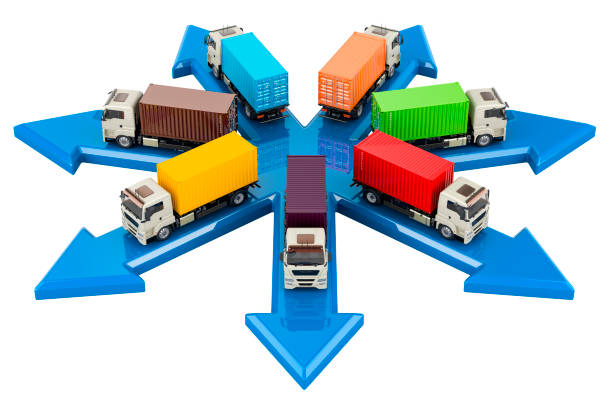
Weather and sea conditions affect direct ocean routes. Storms can delay a ship for several days. Moreover, port strikes can halt all maritime traffic. Sea-rail-road systems offer multiple backup options. If a rail line closes, trucks can assist. If a port is full, ships redirect. This flexibility ensures your goods keep moving forward. You gain more control over your delivery dates. Reliability is the cornerstone of modern business success. Consistent schedules help you manage your inventory better.
Enhanced Security and Reduced Cargo Damage
Frequent handling can lead to potential cargo damage. Many people fear multimodal shipping for this reason. However, modern containerization solves this problem completely.
The Power of Intermodal Containers
Goods stay inside a sealed container the whole time. The container moves from ship to rail easily. Special cranes handle the transfer with extreme precision. No one opens the box during the transit. Therefore, the risk of theft or loss is low. Your products arrive in the exact same condition. Security is a top priority for multimodal transport logistics.
Professional Handling at Every Stage
Logistics experts oversee every single transfer point. They use advanced tracking to monitor the cargo. You can see your shipment's location in real-time. This transparency provides great peace of mind for shippers.
Better Access to Landlocked Regions
Direct ocean freight only reaches coastal cities. To reach inland hubs, you need secondary transport. This often involves multiple separate shipping contracts.
Reaching the Heart of the Continent
Multimodal systems provide a single, unified solution. One contract covers the sea, rail, and road. This reaches deep into landlocked markets easily. You can expand your business to new regions. You do not need to manage complex local vendors. The sea-rail-road model opens doors for global growth. It connects distant factories to your local customers.
Simplified Customs and Documentation
Managing different carriers can be a huge headache. Multimodal transport logistics uses a single Bill of Lading. This simplifies the customs clearance process significantly. You deal with less paperwork at every international border. Efficiency in documentation saves your team valuable time.
Environmental Sustainability and Green Shipping
Sustainability is a major goal for many corporations. Customers now prefer brands with lower carbon footprints. Direct ocean freight is efficient but slow.
Rail transport produces much lower emissions than trucks. It is one of the greenest transport modes. By integrating rail, you reduce your total CO2. This helps your company meet its green targets. Sustainable shipping also builds a better brand image. You protect the planet while moving your goods. Every green step counts in the modern world.
Flexibility to Scale Your Shipments
Business needs can change from week to week. Sometimes you need to move small loads. Other times, you must ship thousands of tons.
The sea-rail-road model scales with your business. You can add more containers to a train. You can deploy more trucks for local delivery. This scalability is vital for seasonal peak demands. You do not have to wait for ships. Multimodal transport logistics adapts to your specific volume. This agility keeps your customers happy and loyal.
Real-Time Tracking and Supply Chain Visibility
Information is as important as the physical goods. You need to know where your cargo is. Direct ocean freight often has "blackout" periods at sea.
Multimodal systems use GPS on trains and trucks. You get frequent updates at every transfer point. This data allows you to plan your warehouse. You can alert your customers about arrival times. Visibility reduces the stress of global shipping operations.
Overcoming the Limitations of Port Infrastructure
Some ports cannot handle the largest container ships. This limits your options for direct ocean freight. You might have to use smaller, slower ships. Multimodal logistics uses "feeder" ports and rail hubs. Large ships go to the biggest deep-water ports. Rail then moves the cargo to smaller regions. This maximizes the use of global infrastructure. You are not limited by a single port's depth. You gain access to a wider global network. This strategy bypasses local congestion and equipment shortages.
Comparing Multimodal vs. Direct Ocean Freight
Feature | Direct Ocean Freight | Sea-Rail-Road Multimodal |
Transit Speed | Slower | Much Faster |
Flexibility | Low | Very High |
Environmental Impact | Moderate | Lower |
Inland Access | Limited | Extensive |
Risk Management | Single Point of Failure | Multi-Mode Redundancy |
Choosing the right model depends on your cargo. However, the sea-rail-road model is often superior. It provides a balanced approach to modern shipping needs.

Conclusion
The benefits of sea-rail-road transport are very clear. It offers speed, cost-efficiency, and high reliability. Multimodal transport logistics solves the problems of traditional shipping. It allows you to reach new markets safely.
You no longer have to fear port delays. You can optimize your supply chain for the future. For the best results, work with experienced professionals. They will guide your cargo through every mode. You can choose BTD International Logistics for transportation and eliminate your transportation worries. Start your journey toward better logistics today.