












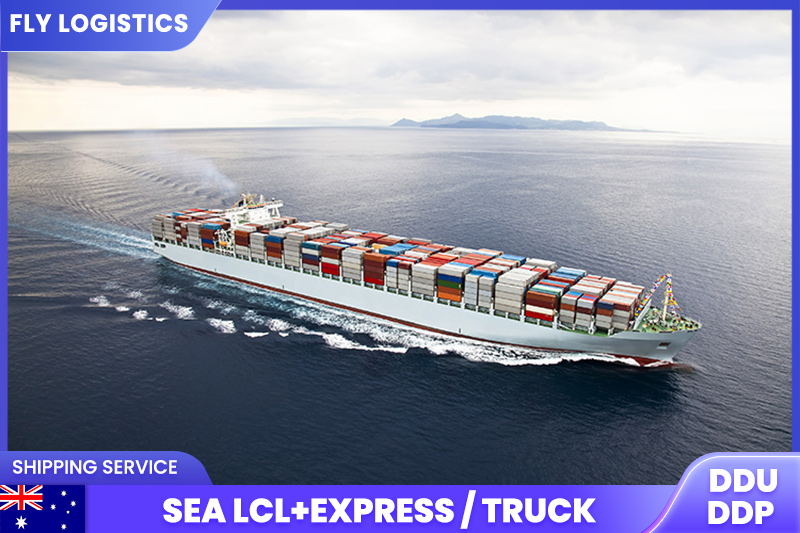
Shipping a full container to Australia requires careful planning. Many businesses prioritize cost over lightning-fast speed. Finding affordable FCL shipping to Australia involves a delicate balance. You must weigh the price against the total days at sea.
Australia sits far from many global manufacturing hubs. Therefore, transit times vary significantly based on your departure port. This guide breaks down the typical durations for the cheapest routes. We will help you manage your inventory expectations effectively.
Why Transit Times Vary for Affordable Routes
Not all shipping lanes operate at the same speed. Several factors influence how long your container spends on the water.
1. Direct vs. Transshipment Hubs
Direct routes are faster but often cost more. Affordable options often involve transshipment at major hubs. These hubs include Singapore, Port Klang, or Hong Kong. Stopping at these ports adds time but lowers the overall freight rate.
2. Slow Steaming Practices
Many carriers use "slow steaming" to save fuel costs. This practice reduces the carbon footprint and the price per TEU. However, it adds several days to the FCL shipping Australia schedule. It is a common trade-off for budget-conscious shippers.
Typical Transit Times from Major Global Hubs
Below is a breakdown of the most common affordable routes. These estimates represent port-to-port transit for standard FCL shipments.
Shipping from China to Australia
China is Australia’s largest trading partner. The routes from Shanghai, Shenzhen, and Ningbo are highly competitive.
East Coast (Sydney/Brisbane): 14 to 22 days.
South Coast (Melbourne): 18 to 25 days.
West Coast (Fremantle): 12 to 18 days.
Shipping from Southeast Asia
Routes from Vietnam, Thailand, and Malaysia often utilize Singapore as a hub.
Standard Transit: 15 to 28 days.
Affordable Route: 22+ days via secondary transshipment.
Shipping from Europe and North America
These routes are the longest and most expensive. Finding affordable FCL shipping to Australia here requires booking well in advance.
From UK/Europe: 35 to 50 days.
From US East Coast: 38 to 55 days.
From US West Coast: 25 to 40 days.
Key Factors That Impact Your Shipping Schedule
Planning for the "water time" is only half the battle. Other logistical hurdles can extend the total duration.
Port Congestion and Labor Issues
Australian ports occasionally face congestion or industrial action. These delays can add 3 to 7 days to your timeline. Always check the current status of ports like Port Botany or Melbourne.
Customs Clearance and Quarantine
Australia has some of the strictest biosecurity laws globally. If your paperwork is incorrect, your container will sit. This "dwell time" can be costly and frustrating.
Seasonal Demand
During peak seasons, such as before Christmas, ships fill up. Carriers may "roll" your cargo to the next vessel. This adds at least a week to your expected arrival.
How to Secure Affordable FCL Shipping to Australia
You don't have to sacrifice all speed for a lower price. Smart strategies can help you find the "sweet spot" in logistics.
1. Book During the Off-Peak Season
Avoid the months of September through November if possible. Shipping in February or March often yields the lowest rates. You will find more space and more reliable transit times.
2. Choose the Right Container Size
Compare the costs of 20ft vs. 40ft containers. Sometimes, a 40ft container offers a better price per cubic meter. This efficiency helps make your FCL shipping Australia more cost-effective.
3. Work with a Reliable Freight Forwarder
A good forwarder has access to "contract rates." These rates are lower than the public spot market prices. They can also advise on which carriers currently offer the best reliability.
Comparing Ocean Freight vs. Other Methods
Method | Typical Cost | Typical Transit Time | Best For |
FCL (Full Container) | Low (per unit) | 15 - 45 Days | Large shipments / Bulk |
LCL (Less than Container) | Moderate | 20 - 55 Days | Small businesses |
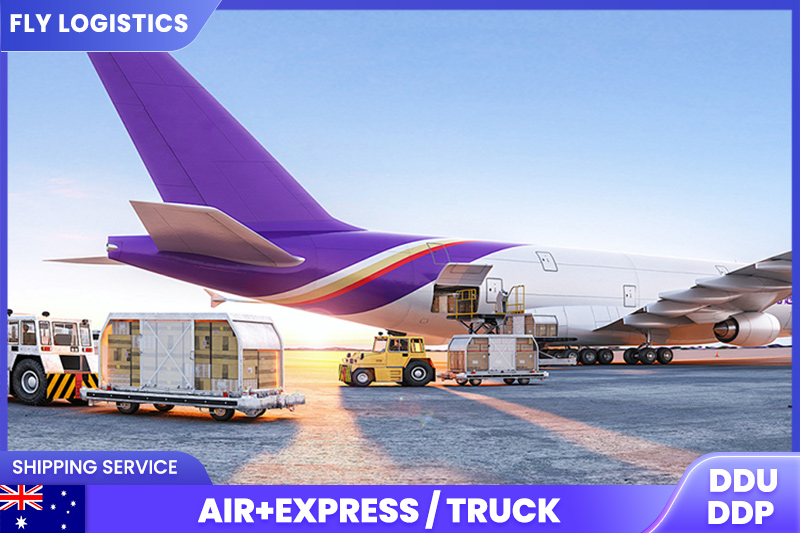
Air Freight | Very High | 3 - 7 Days | Urgent / High value |
Managing Your Logistics Expectations
Consistency is often more important than pure speed. If you know a shipment takes 30 days, you can plan. Problems arise when a 20-day shipment suddenly takes 40 days.
Buffer Your Timelines
Always add a 7-day buffer to any quote you receive. This covers minor delays at the port or during trucking. It prevents your warehouse from running out of stock.
Use Tracking Technology
Most modern carriers offer GPS or milestone tracking. Monitor your container's progress through the transshipment hubs. This visibility allows you to update your customers in real-time.
Common Routes and Their Budget Profiles
The "Express" Route: Direct from Shanghai to Sydney. Fast but premium pricing.
The "Budget" Route: South East Asia via Singapore transshipment. Slower but saves significant money.
The "Long Haul" Route: Europe via the Suez Canal. High cost and high transit time.
Conclusion
Finding an affordable FCL shipping Solution is a strategic game. For most Asian routes, expect a transit of 15 to 25 days. For long-haul routes from the West, prepare for 40 days or more.
By understanding these timelines, you can optimize your inventory. You reduce the risk of stockouts while keeping your shipping costs low. Reliability usually comes from good planning and the right partners.
Australia is a remote market, but it is highly accessible. Start your planning early to get the best possible rates. Your bottom line will certainly thank you for the effort.